
Spare rooms often feel like the weak link in an otherwise warm house. The heating is on, radiators may be hot, yet the room never seems to hold warmth for long. This usually isn’t because the system i...
Corner rooms often feel noticeably colder than the rest of the house, even when the heating is on and other rooms seem comfortable. This usually isn’t a fault with the radiator or boiler. It’s a conse...
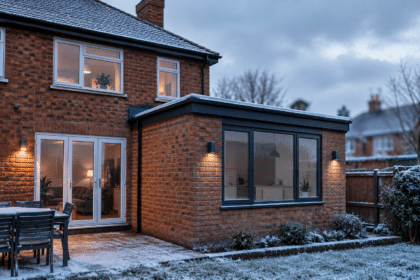
Quick answer: an extension is cold because it has more outside surface than any other room in the house: extra external walls, a roof, a floor and usually lots of glazing. Older extensions (especially...
Rooms built above garages are well known for feeling colder than the rest of the house. The heating may be on, radiators may be warm, yet the space never seems to settle at the same comfort level. In ...
Some living rooms hit the “right” temperature on the thermostat, the radiator feels warm, and yet you still don’t feel properly comfortable. In a typical UK home, that usually means the problem isn’t ...
Kitchens often feel colder than other rooms, even when the heating is running and radiators are warm. This is usually down to how kitchens are ventilated, surfaced, and used throughout the day. Extrac...
Bathrooms often warm up quickly but lose heat just as fast once the heating turns off. This behaviour is extremely common in UK homes and is usually linked to how bathrooms are built and ventilated ra...
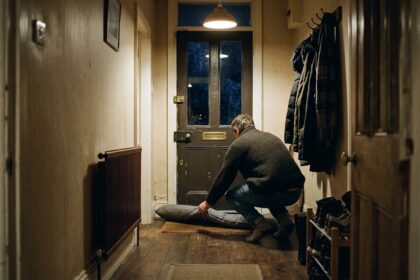
Quick answer: a hallway is cold because it sits behind the front door, which is the biggest air leak in most homes, and it connects to the staircase, which pulls warm air upstairs. Add a small radiato...
In many UK homes, bedrooms consistently feel colder than living rooms, even when the heating is working and the thermostat hasn’t changed. This isn’t usually a fault. It’s a combination of how homes a...
When a boiler appears to be working normally but radiators never get properly hot, the issue is usually flow-related rather than a boiler fault. The system is producing heat, but it isn’t being delive...