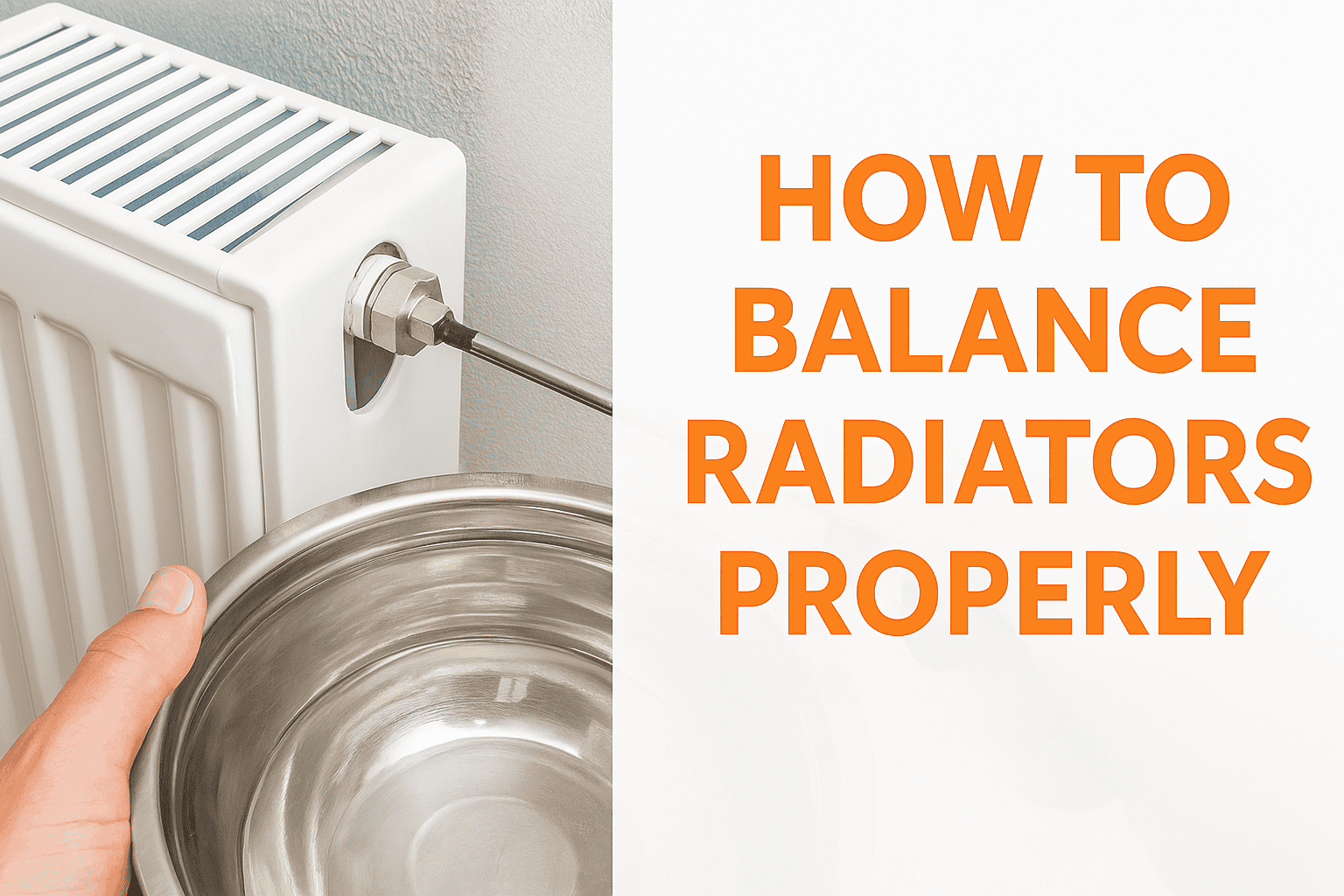
Radiator valves control the flow of hot water into the heating panel. While they appear to be simple on-off switches, they are the primary point of temperature regulation for individual rooms. Upgrading old or leaking valves is a common part of home improvement, especially when installing new radiators. Choosing the wrong valve type can lead to inefficient heating or a lack of control over your energy bills. If your radiators are currently heating unevenly despite having new valves, you may need to follow the radiator balancing guide.
Manual Radiator Valves
A manual valve is the most basic type of controller. It works like a tap. You turn it to increase or decrease the amount of water entering the radiator. The valve does not monitor room temperature. It stays at the level you set until you move it again. Manual valves are often smaller and more discreet than thermostatic versions, making them popular for minimalist or traditional designs. In most UK systems, at least one radiator must have a manual valve to act as a bypass. This is usually the radiator in the same room as the main wall thermostat.
Thermostatic Radiator Valves (TRVs)
TRVs are self-regulating valves that adjust the flow of water based on the air temperature in the room. Inside the head of the valve is a wax or liquid plug that expands as the room warms up. This expansion pushes a pin down to restrict the water flow. As the room cools, the plug contracts and opens the valve again. This allows for room-by-room temperature control. You can keep a bedroom cool while ensuring a home office stays warm. Replacing manual valves with TRVs is one of the fastest ways to reduce energy waste, as explained in our guide on keeping a UK home warm for cheap.
[Image showing the internal mechanism of a TRV with the wax sensor and pin]
Valve Shapes: Angled, Straight, and Corner
The shape of the valve you need depends on where the pipework enters the radiator. Angled valves are the most common in the UK, used when pipes come up from the floor or out of the wall to meet the side of the radiator. Straight valves are required when the pipes run along the skirting board and enter the radiator horizontally. Corner valves are a specialized option that keeps the valve head tucked parallel to the wall, preventing it from sticking out into the room. Choosing the wrong shape will make it impossible to connect your pipework without significant alterations.
Smart TRVs and Energy Monitoring
Smart TRVs replace the standard heads with battery-powered motors that connect to your Wi-Fi or a central hub. These allow you to set specific schedules for every room via a smartphone app. Because they can detect when a window is open or when a room is unoccupied, they offer a higher level of efficiency than standard mechanical valves. If you are moving a radiator as part of a renovation, upgrading to smart valves is a logical step. If you experience a drop in heat after installation, check that the new valves haven’t caused a drop in boiler pressure.
Common Valve Failures
The most frequent failure in a radiator valve is a “stuck pin.” This happens when the internal pin becomes seized in the closed position due to magnetite buildup. If your radiator is cold but the pipes are hot, the valve is likely stuck. You can often fix this by removing the plastic head and gently loosening the pin with pliers. If the valve body itself is leaking from the gland nut, it usually indicates the internal seals have perished. In these cases, it is safer to replace the valve entirely while the system is drained for other maintenance like a manual radiator flush.
Selecting the right valves is a balance of aesthetics and mechanical function. Manual valves offer simplicity, while TRVs provide the temperature regulation necessary for modern energy efficiency. Ensure your valve choice matches your pipework orientation to avoid unnecessary plumbing costs during installation.