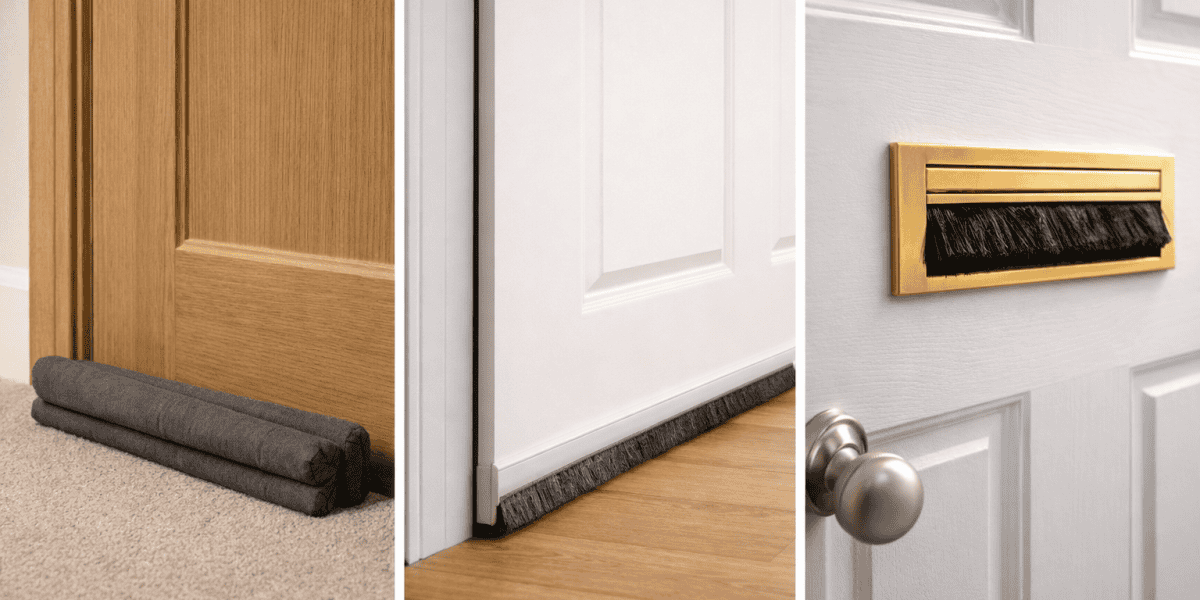
Letterboxes are one of the most underestimated sources of heat loss in a home. Because they sit directly in the front door, they create a direct opening between the indoors and the outside. On colder ...
Walls that feel cold to the touch are a common reason a room never quite feels comfortable in winter, even when the heating is on. This tends to happen most often on external walls, where the temperat...
Cold floors are one of the most noticeable signs that heat is being lost faster than it should be, especially in winter. Even when the heating is working well, the floor can stay cool enough to make a...
Hallways are one of the most common cold spots in UK homes. Even when the heating has been on for a while and living areas feel comfortable, the hallway often remains noticeably cooler. This usually i...
Cold air moving through plug sockets is more common than people expect, especially in homes where the socket sits on an external wall. The wall behind it often has small gaps where the cable passes th...
It’s fairly common to seal a draught and then notice it creeping back again a few days or weeks later. Even when the windows and doors have been checked, the room can still feel colder than expected, ...
It’s common for a home to feel cooler than expected even when the heating is on. In most UK properties, the cause is not a single fault but a combination of small areas where heat escapes unnoticed. O...
A radiator that stays warm after the heating has been switched off can be confusing, especially when the rest of the system has already cooled. It often feels like the boiler is still running in the b...
When a radiator is warm at the top and bottom but noticeably cooler through the centre, it usually means heat isn’t circulating evenly across the panel. This pattern is less common than cold tops or c...
If your radiator is hot at the top but cold at the bottom, the most likely cause in a UK heating system is sludge buildup settling along the base of the panel. That lower section is where water moveme...