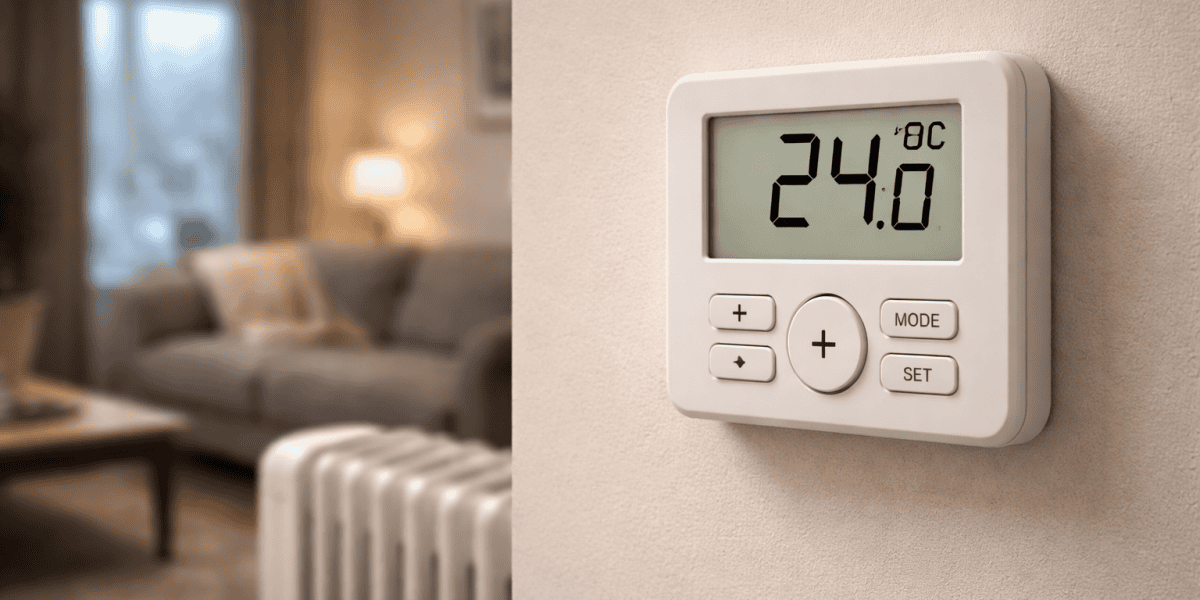
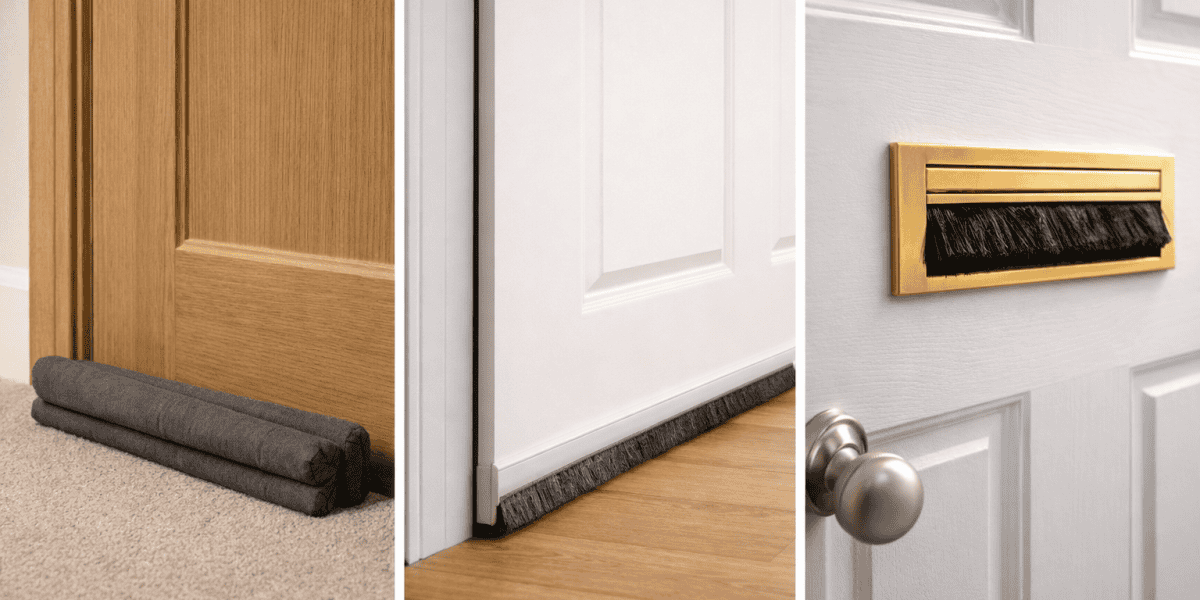
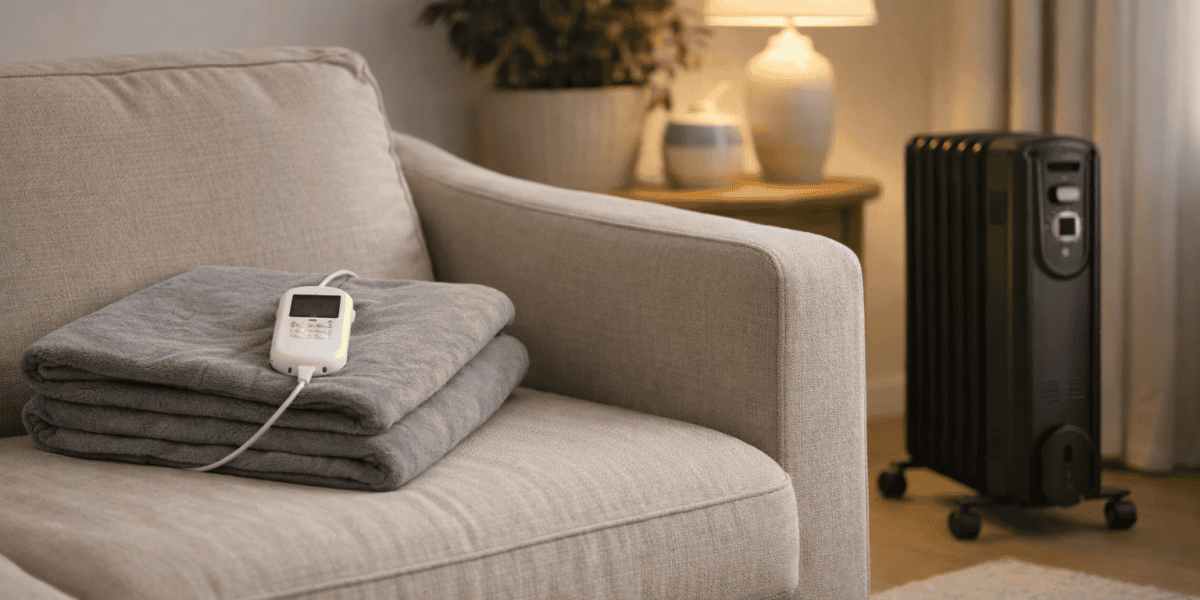
North-facing rooms often feel like they never quite catch up, especially in winter. The heating can be on, radiators can be warm, and yet the room still feels behind the rest of the house. This usuall...
It feels unfair when the heating settings haven’t moved but the bill climbs as soon as a cold spell arrives. In most homes this isn’t a fault, a billing error, or the boiler suddenly becoming ineffici...
When the weather turns sharply colder, some rooms seem to drop out of the heating picture altogether. They may warm slightly at the start of the cycle, then stall, or never really catch up at all whil...
Many homes feel perfectly warm through the day, then oddly underpowered once night sets in. Radiators are on, the thermostat hasn’t changed, but the warmth just doesn’t seem to carry in the same way. ...
When temperatures drop sharply, many UK households notice their radiators don’t perform the way they did earlier in the winter. Rooms take longer to feel comfortable, some radiators never quite reach ...
When a cold snap hits, a lot of UK homes suddenly feel harder to heat. The heating is on, radiators feel warm, and nothing obvious has changed, yet the house feels flatter, colder, and less comfortabl...
Spare rooms often feel like the weak link in an otherwise warm house. The heating is on, radiators may be hot, yet the room never seems to hold warmth for long. This usually isn’t because the system i...
Corner rooms often feel noticeably colder than the rest of the house, even when the heating is on and other rooms seem comfortable. This usually isn’t a fault with the radiator or boiler. It’s a conse...
It’s very common for an extension to feel colder than the original part of the house, even when the heating settings are the same. Radiators may be hot and the boiler may be running normally, yet the ...
Rooms built above garages are well known for feeling colder than the rest of the house. The heating may be on, radiators may be warm, yet the space never seems to settle at the same comfort level. In ...