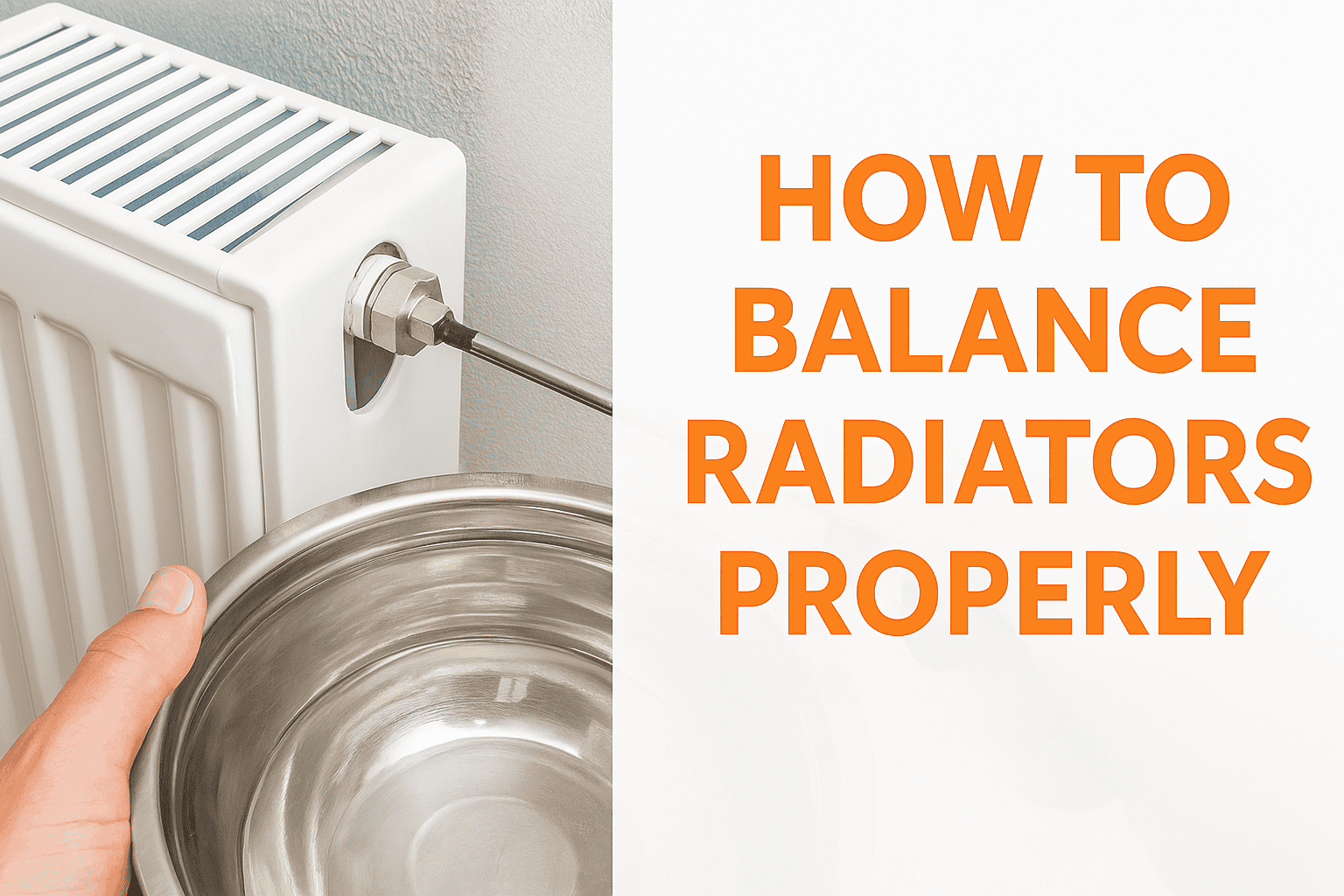
Walking up to a radiator expecting warmth and finding it cold is a common experience in UK homes. When it happens, the cause is rarely random. Radiators fail to heat properly for a small number of predictable reasons, and the way the radiator behaves usually points quite clearly to what is going wrong.
If this problem appears alongside uneven warmth across rooms, slow heat-up times, or heating that never quite catches up, it can help to step back and look at the wider picture using the house cold diagnostic.
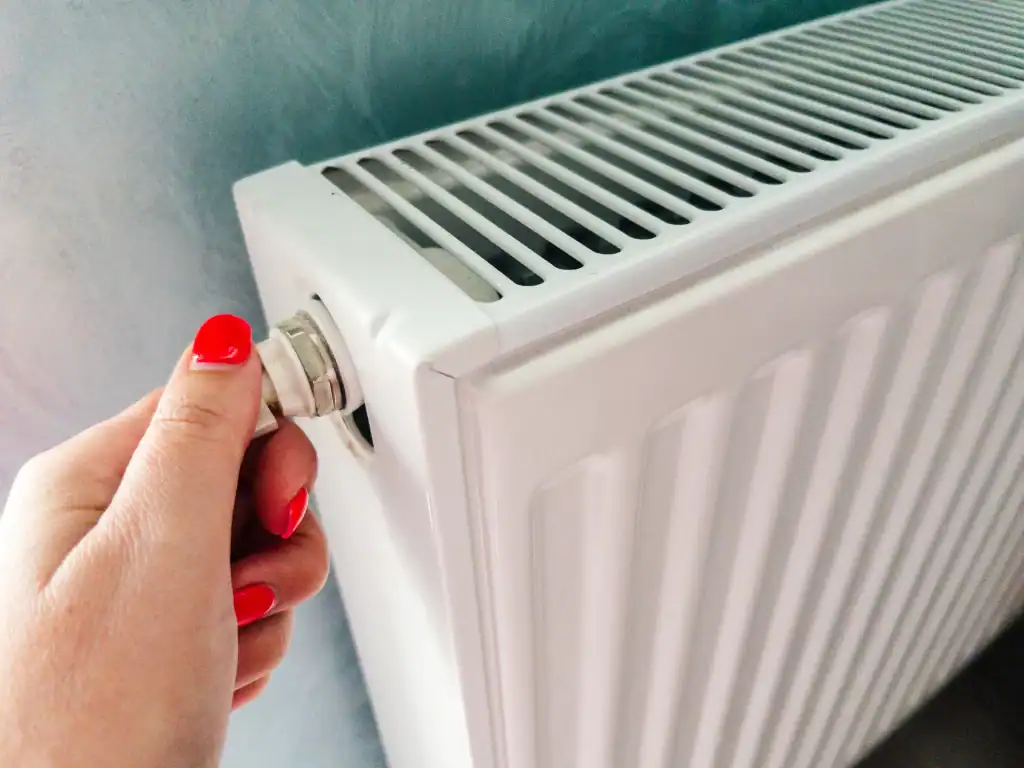
Radiators tend to fail in recognisable patterns. Some stay cold at the top, others remain cold at the bottom, some heat briefly before going cold again, and others only work under certain conditions. Each pattern reflects a different underlying restriction in flow, pressure, or control.
Air trapped inside the radiator
The most common cause of a radiator failing to heat evenly is trapped air. Air rises to the top of the radiator and blocks hot water from circulating fully. When this happens, the top of the radiator stays cool while the lower section warms up normally.
This often shows up alongside faint gurgling or trickling sounds. Releasing the trapped air usually restores proper circulation. After bleeding, boiler pressure should be checked, as releasing air also releases pressure from the system.
Restricted flow from sludge buildup
When a radiator is hot at the top but remains cold or only lukewarm at the bottom, trapped air is rarely the cause. This pattern almost always points to sludge collecting inside the radiator. Sludge is a mix of corrosion debris and magnetite that settles where water flow is weakest.
Bleeding has little or no effect in these cases because the restriction sits lower down in the radiator. Over time, the buildup reduces heat output and slows the system response. This behaviour is explained in more detail in why radiators are cold at the bottom.
Light cases may improve with a targeted radiator flush. Widespread sludge across multiple radiators usually requires professional cleaning to restore full circulation.
Control valves preventing water entry
If one radiator remains cold while others heat normally, the problem is often not the radiator itself but the valve controlling it. Thermostatic radiator valves can stick closed, especially after long periods without use, preventing hot water from entering.
This can also appear as a radiator that only heats under specific conditions, such as when the thermostat is set unusually high. That behaviour is covered further in why a radiator only heats on full.
Uneven flow caused by system imbalance
In many homes, radiators closest to the boiler receive more hot water than those further away. When this happens, nearer radiators heat quickly while others struggle or stay cool. The issue is not a fault but an imbalance in how flow is distributed.
Balancing corrects this by slightly restricting flow to the hottest radiators so heat can reach the rest of the system more evenly. Without balancing, repeated bleeding or valve adjustments rarely solve the problem for long.
Low boiler pressure limiting circulation
When system pressure drops below the normal operating range, hot water cannot circulate effectively. Radiators may feel lukewarm, take much longer to heat, or fail to warm fully. Pressure should typically sit between 1.2 and 1.5 bar when the system is cold.
If pressure continues to fall after topping up, the cause is usually a leak or an internal boiler fault rather than the radiators themselves.
When the radiator is working but the room still feels cold
In some cases, radiators heat correctly but the room never feels comfortable. This points away from the heating system and toward heat loss or air movement within the room. Cold external walls, draught paths, and poor heat retention can all overwhelm a working radiator.
Understanding how these factors interact across a whole home is covered in How to Keep a UK Home Warm for Cheap.
Radiators rarely fail without a clear reason. Paying attention to how they behave makes it possible to fix the cause methodically, starting with the least disruptive checks and only escalating when needed.