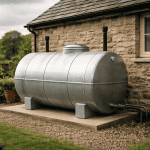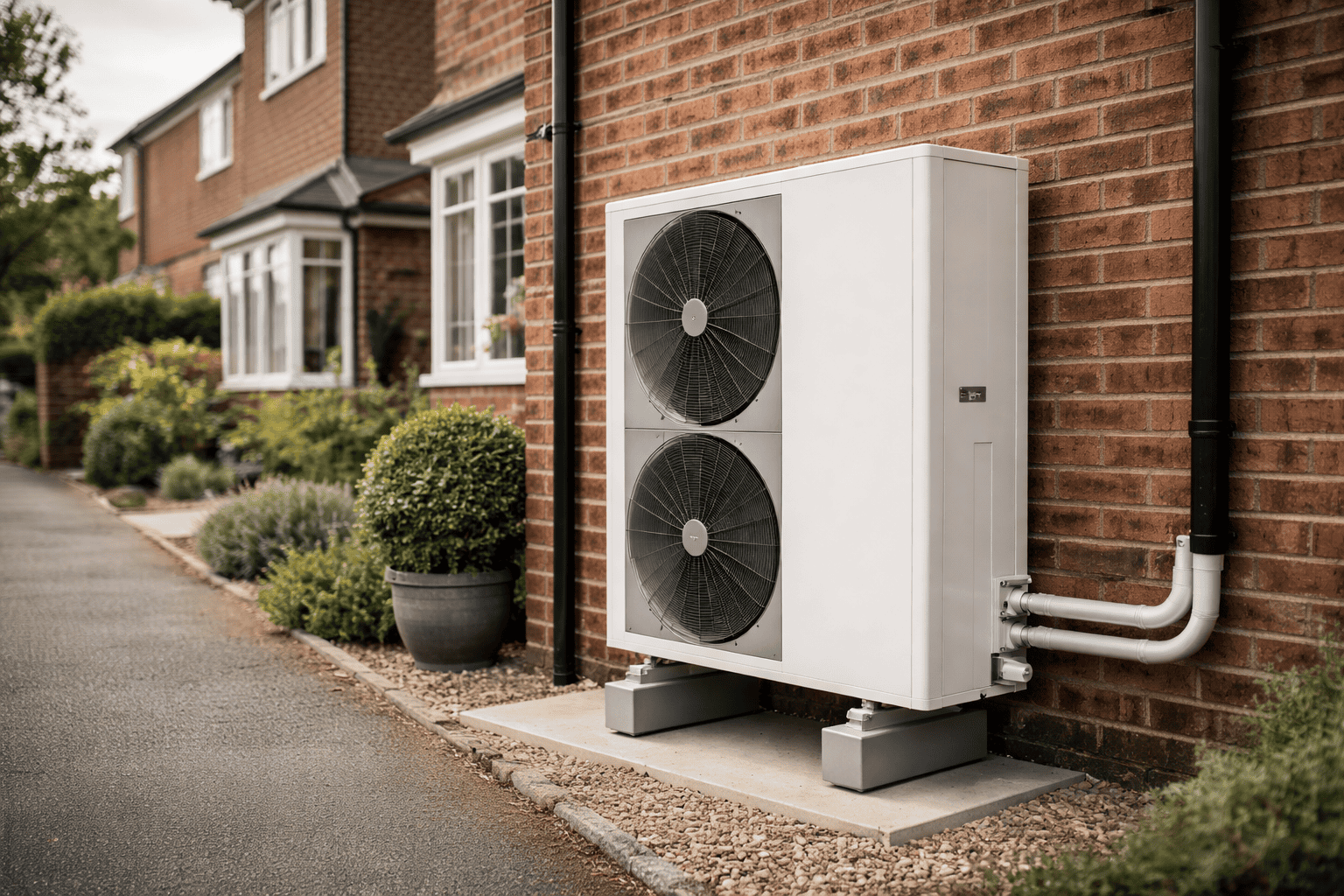
Households that heat their homes with oil, LPG, solid fuel, or electric storage heaters rather than mains gas are in a different position from gas-connected homes when it comes to grant funding. They tend to have higher running costs, older heating systems, and less efficient building fabric, but they are also prioritised under several of the most significant grant schemes currently running in the UK. If you heat your home with anything other than mains gas, the funding available to you in 2026 is substantial and in many cases goes unclaimed simply because households are not aware it exists.
This guide covers every scheme currently open to off-gas households, what each one pays for, and who qualifies. For a broader overview of all UK energy grants including those available to gas-connected homes, the energy grants and support hub covers the full picture.
Why off-gas homes are prioritised for grant funding
The government’s case for prioritising off-gas households is straightforward. Homes not connected to the gas grid typically have higher energy costs, older and less efficient heating systems, and are more likely to be in rural areas with lower incomes and older housing stock. They are also the households where a transition to heat pumps makes the most economic sense, replacing an oil boiler with a heat pump eliminates exposure to volatile oil markets and puts the household under the Ofgem electricity price cap rather than the unregulated oil market.
The price situation for oil and LPG households since the Iran conflict began has sharpened this picture significantly. The guide to why the conflict is hitting oil and LPG households harder than gas covers the current price situation in detail, including a calculator that shows your personal cost impact. The long-term case for transitioning away from oil and LPG has always been strong, and current market conditions make the financial urgency considerably greater.
The Warm Homes Local Grant
The Warm Homes Local Grant is currently the most significant source of funding available to off-gas households in England. It provides up to £30,000 per household for insulation and heating improvements, delivered through local councils using government funding. For off-gas households, the scheme can fund heat pump installation, insulation, and draught-proofing, a package that in many cases covers the full cost of transitioning from oil or LPG heating to a heat pump system.
To qualify, your household income must be £36,000 or below, or you must be receiving a means-tested benefit such as Universal Credit, Pension Credit, or Housing Benefit. Your home must have an EPC rating of D, E, F, or G. Off-gas properties very commonly qualify on the EPC criterion because oil and LPG heated homes often have lower EPC ratings than gas-connected equivalents.
The scheme is delivered locally, which means your council applies it and manages the installation. Application is through the GOV.UK portal at gov.uk/apply-warm-homes-local-grant. The full eligibility criteria, what the scheme covers, and what to do if your council has temporarily paused applications are covered in detail in the Warm Homes Local Grant guide.
The scheme runs until March 2028 and is actively being delivered now. If you qualify, applying sooner rather than later is advisable, local allocations can be exhausted before the national deadline, and installation lead times mean early applications benefit from more installer availability.
The Boiler Upgrade Scheme
The Boiler Upgrade Scheme provides £7,500 toward the cost of installing an air source heat pump, and £7,500 for ground source heat pumps. Unlike the Warm Homes Local Grant, there is no income limit, the scheme is open to any homeowner in England or Wales who meets the technical eligibility criteria, regardless of household income.
For off-gas households, the Boiler Upgrade Scheme is particularly relevant because the economics of replacing an oil or LPG boiler with a heat pump are more favourable than replacing a gas boiler. The running cost differential between oil or LPG and electricity is smaller than it used to be, and with current oil prices at elevated levels following the Iran conflict, the payback period on a heat pump installation is shorter than at any point since the scheme launched.
To qualify, your home must have loft insulation if you have a loft, and cavity wall insulation if you have cavity walls that can be insulated. These are basic fabric conditions that ensure the heat pump is installed in a home that can use it effectively. An installer registered on the MCS scheme handles the application on your behalf, you do not apply directly. The installer claims the £7,500 and deducts it from your installation cost.
The scheme runs until 2029 to 2030. Current heat pump installation costs for a typical three-bedroom home range from £8,000 to £15,000 before the grant, meaning the £7,500 contribution covers a significant proportion of the total cost for many households.
ECO4 for off-gas households
The Energy Company Obligation scheme, now in its fourth iteration as ECO4, has been extended to December 2026. It is largely exhausted for gas-connected properties but retains meaningful remaining allocation specifically for properties with EPC ratings of F or G that are not connected to the gas grid. Off-gas households in this EPC band are among the best remaining candidates for ECO4 funding.
ECO4 is delivered through energy suppliers rather than councils. The major energy suppliers, British Gas, EDF, E.ON, Octopus, and others, each have an obligation to deliver a certain volume of improvements under the scheme. To access ECO4, you can apply through your energy supplier directly or through an energy broker who works across multiple suppliers.
ECO4 can fund insulation, heating system upgrades, and in some cases first-time central heating installation for properties that currently rely on electric storage heaters. For off-gas properties with EPC ratings of F or G, it is worth checking ECO4 availability alongside the Warm Homes Local Grant, as the two schemes can sometimes be combined for a more comprehensive package of improvements.
The Great British Insulation Scheme
The Great British Insulation Scheme closed to new applications on 31 January 2026. Any applications submitted before that date are still being processed, but no new applications are being accepted. If you missed this scheme, the Warm Homes Local Grant covers the same types of insulation work for eligible households and is currently open.
Warm Home Discount
The Warm Home Discount provides a £150 rebate on electricity bills each winter. It is applied automatically to eligible households, those receiving the Guarantee Credit element of Pension Credit are credited automatically, and other households on means-tested benefits may also qualify through the broader group eligibility.
The Warm Home Discount applies to electricity rather than oil or LPG, which limits its direct relevance to off-gas households who do not have a significant electricity bill. However, it becomes more relevant if your household transitions to a heat pump and electricity becomes your primary heating fuel, at which point the £150 discount has considerably more impact.
Beyond the national schemes, a number of local authorities run their own fuel poverty and heating improvement programmes, often funded through the UK Shared Prosperity Fund or local authority housing budgets. These vary significantly by area and are not consistently publicised. The postcode-based council finder in the energy grants hub identifies what your local council currently offers alongside the national schemes.
National Energy Action and the Centre for Sustainable Energy both operate advice lines that can identify local schemes and help households navigate applications. NEA’s advice line is 0800 304 7159. The Centre for Sustainable Energy covers the South West and works in partnership with several councils to deliver energy advice and funding to households that qualify.
What to do if your boiler is approaching end of life
If your oil or LPG boiler is more than fifteen years old or has started requiring frequent repairs, the question of replacement is worth planning now rather than waiting for a complete failure. A boiler that fails in winter leaves you in a much weaker negotiating position for both installation costs and timing, and emergency replacements are almost always more expensive than planned ones.
The decision between replacing with a like-for-like oil or LPG boiler and transitioning to a heat pump should factor in the Boiler Upgrade Scheme grant, current oil and LPG prices, and the likely trajectory of energy costs over the next ten to fifteen years. A heat pump installed with £7,500 of grant funding in a well-insulated home will have lower running costs than an oil or LPG replacement at current prices in most cases, and eliminates ongoing exposure to unregulated oil markets.
If the building fabric needs improvement before a heat pump is viable, typically loft and cavity wall insulation, the Warm Homes Local Grant can fund that work simultaneously for eligible households, making a comprehensive transition possible in a single installation programme rather than a staged approach over several years.
For practical guidance on reducing consumption and managing heating costs while the transition is being planned, reducing the thermostat by one degree, draught-proofing, and radiator balancing all reduce fuel consumption regardless of the heating system type. The complete guide to keeping a UK home warm for cheap covers the full range of improvements in order of impact and cost.