Why Are My Windows Wet in the Morning? Causes and Fixes
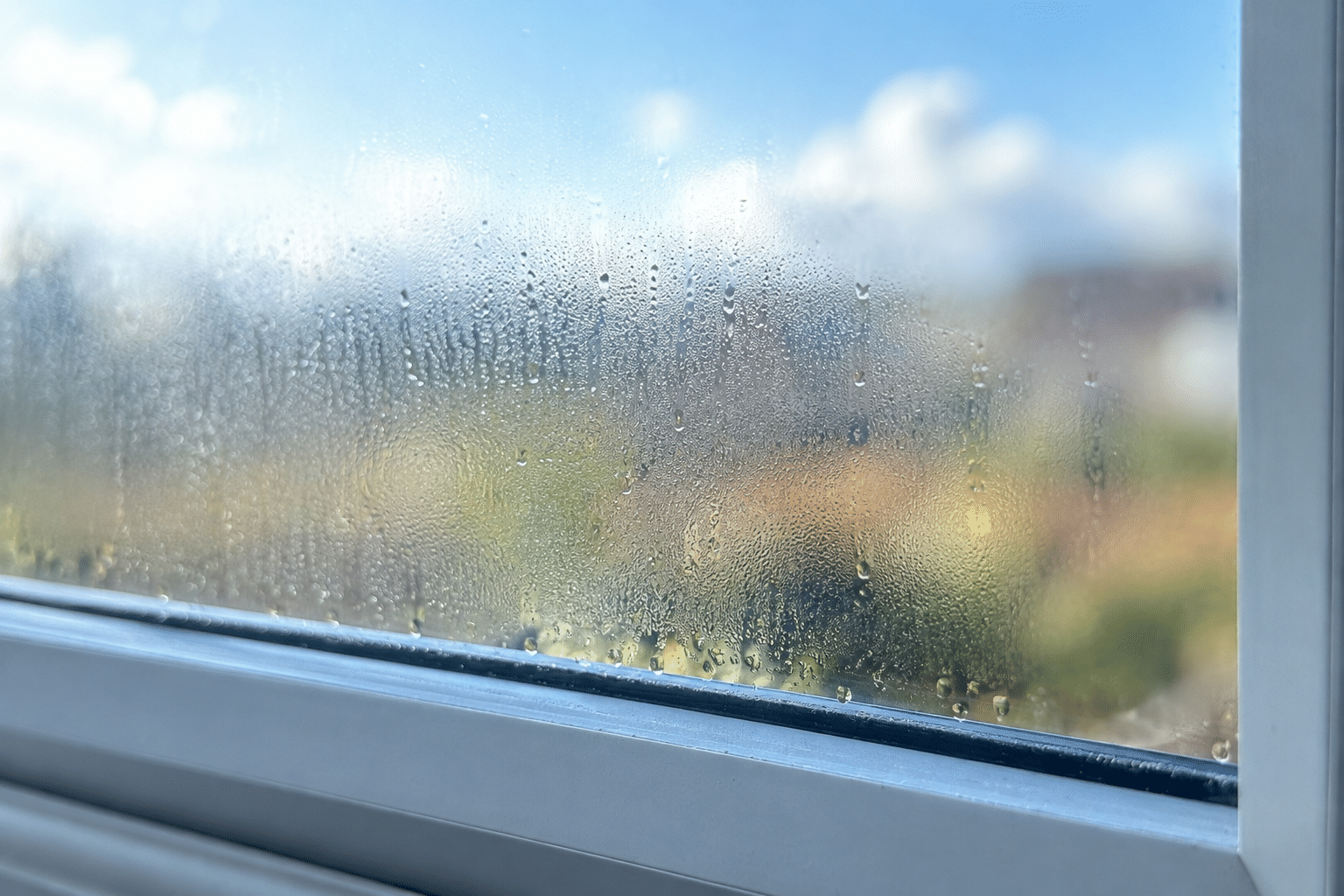
Quick answer: Windows that are wet, steamy or foggy on the inside in the morning are almost always caused by condensation. Overnight, warm air holding moisture from breathing, cooking, showering and drying clothes meets cold glass and drops water on it. The glass is the coldest surface in the room, so it shows the problem first. The fix is a combination of lowering indoor humidity, ventilating briefly each day and keeping the room warmer overnight. Condensation on the outside of the glass is harmless and clears by itself, while moisture trapped between the panes of a double glazed unit means the seal has failed and the unit needs repair or replacement.
Waking up to dripping windows is one of the most common winter complaints in UK homes. It looks alarming, it leaves puddles on sills and it often turns into black mould on the seals, yet the cause is usually simple physics rather than a fault in the building. This guide explains why windows fog up overnight, how to tell the three types of window condensation apart, what actually works to stop it and when it points to something more serious. For the wider picture of moisture in a home, the guide to the difference between damp and condensation explains how condensation compares with penetrating and rising damp.
If windows are only one of several cold spots in the property, the house cold diagnostic is a useful place to start, and the WarmGuide homepage collects all of the heating, heat loss and energy bill guides in one place.
Why windows fog up in the morning
Air can only hold a certain amount of water vapour, and warm air holds much more than cold air. Every household adds vapour continuously. Breathing and sweating overnight, cooking, showering, boiling kettles and drying washing indoors all release moisture, and in a closed bedroom with the window shut and the door closed that moisture has nowhere to go.
When that humid air touches a surface colder than its dew point, the vapour turns back into liquid. As a rough guide, air at 20°C and 60% relative humidity has a dew point of about 12°C. Window glass on a cold winter night, particularly single glazing or older double glazing, often falls well below that, so water forms on the glass. Aluminium and older uPVC frames, which are colder still, tend to run wet first.
The reason it is worst first thing in the morning is timing. The room has been closed up, humidity has built overnight, the heating has been off or low and the outdoor temperature is at its lowest just before dawn. Once the heating is on and the day warms up, the glass warms past the dew point and the moisture evaporates, which is why the problem often seems to vanish by mid-morning.
The three types of window condensation
Condensation on the inside of the glass
This is the common type, and it is the one that causes mould. It points to high indoor humidity combined with cold glass. It is most visible in bedrooms, kitchens and bathrooms, on north-facing windows and on rooms that are heated least. It can be wiped away, and it returns the following night if nothing changes.
Condensation on the outside of the glass
Moisture on the outer face of the window on clear, cold mornings is normal and is actually a sign of efficient glazing. Modern double and triple glazing keeps heat in so well that the outer pane stays colder than the outdoor air, and on still, clear nights it can drop below the outdoor dew point, much like a car windscreen frosting over. It is not a fault, does not cause damp indoors and clears once the sun or air temperature rises.
Condensation between the panes
Fogging or droplets trapped inside a sealed double glazed unit cannot be wiped away from either side. It means the edge seal has failed, allowing moist air to enter the gap and the drying agent in the spacer to become saturated. Ventilation and dehumidifiers will not fix it. The sealed unit normally needs replacing, which a glazing company can often do without replacing the frame, and many units are covered by a guarantee in the first ten years.
What makes windows worse
Several everyday habits and building features push windows past the dew point more often.
- Drying washing indoors. A single load of wet laundry can release a couple of litres of water into the air, and radiators and airers in bedrooms make bedroom windows worse.
- Closed doors and windows overnight. Sleeping with everything shut traps breath moisture in a small space, particularly with two people or a child sharing a room.
- Cold bedrooms. Rooms left unheated all day have colder glass and walls, so even modest humidity condenses. The guide to closing doors and cold rooms explains how heat and moisture move between rooms.
- Cooking and showering without extraction. Steam travels to the coolest rooms in the house, so bedrooms often catch moisture made in the kitchen and bathroom.
- Unflued gas and paraffin heaters. These release large amounts of water vapour as they burn.
- Single glazing, old double glazing and metal frames. The inner surface of poor glazing can be several degrees colder than the room, so condensation forms even at normal humidity. Walls with the same problem are covered in why walls feel cold in winter.
- Heavy curtains and blinds drawn tight. These trap a layer of cold air against the glass and stop warm room air reaching it, so the glass stays colder and wetter.
How to stop windows steaming up
No single change fixes condensation in every house. The most reliable approach is to reduce moisture, move air and raise surface temperatures together.
1. Reduce the moisture in the air
Use extractor fans while cooking and showering and leave them running for 10 to 15 minutes afterwards. If there is no fan, crack a window and keep the door of the room shut so steam does not drift into cooler bedrooms. Lids on pans, shorter showers and drying washing outdoors or in a ventilated room with a dehumidifier all cut the load. A small hygrometer costs only a few pounds and shows the real figure, and indoor humidity between about 40% and 60% is the usual target. Readings that sit above 60 to 65% for long periods make condensation and mould much more likely.
2. Ventilate in short bursts
Opening windows fully for 5 to 10 minutes while the room is occupied or just after waking swaps humid air for drier outdoor air quickly without cooling the walls and furniture much. Trickle vents should stay open overnight, and bedroom doors left slightly ajar help air move. In winter, cold outdoor air is usually drier in absolute terms, so a short purge of fresh air often reduces moisture indoors even though it feels counterintuitive.
3. Keep the room warmer overnight
Glass warms and cools faster than anything else in the room, so even a small rise in room temperature helps. Steady, low background heat in occupied rooms usually works better than a cold house with short bursts of high heat, because it keeps the glass and walls above the dew point. Radiators that are cold at the top leave cool zones near the window, so bleeding radiators is a quick way to improve heat output beneath a window. If the heating has been failing in freezing weather, a frozen boiler pipe may be the cause, and the guide to a frozen condensate pipe shows how to restart a locked out condensing boiler. A condensate pipe is a boiler drain, so it is unrelated to condensation on glass, but a boiler lockout leaves rooms cold and makes window condensation much worse.
4. Seal draughts around the window
Draughts around frames, trickle vents that leak and gaps in the reveal chill the glass edges and the corners, which is why mould often starts there. Sealing worn rubber gaskets, fitting draught strips and checking the bead and silicone around the frame can help. The guide to finding hidden draughts explains how to locate them with a simple test.
5. Wipe and manage the water
Wiping windows each morning with a microfibre cloth or a small window squeegee removes water before it soaks into frames and sealant. Standing water on sills rots timber and feeds black mould along the seals. Open curtains and blinds fully in the morning and leave a gap above the radiator so warm air can reach the glass.
6. Improve the glazing if the glass is the problem
If windows condense heavily even with sensible humidity, the glass itself may be the weak point. Secondary glazing, thermal window film, heavy lined curtains drawn only at night and replacing failed or single glazed units all raise the temperature of the inner surface. Upgrades cost money, and it helps to know the running costs first, which is where the heating cost calculator and the explainer on the energy price cap are useful. Grants are mainly aimed at insulation and heating rather than windows, but the energy grant checker, the guide to UK energy grants and the Warm Homes Plan show what support exists for the wider home.
Why bedrooms are the worst
Bedrooms combine the three things that make windows run wet: people breathing for eight hours, closed doors and windows, and a lower heating level than the living areas. A child’s room or a bedroom shared by two people can see humidity climb noticeably overnight. Rooms on north or east elevations, rooms above porches and garages and end-of-terrace rooms are colder still, which is why end-terrace homes often see more window condensation. Opening the trickle vents, leaving the door ajar, avoiding drying laundry in the room and opening the window for a few minutes on waking all make a real difference.
When foggy windows point to something more serious
Occasional condensation on a cold morning is normal. It deserves attention when it is heavy and daily, when water pools on sills or runs onto walls, when black mould is growing on seals, frames or the surrounding plaster, when timber frames are soft or swollen, or when the fogging is between the panes. Persistent moisture in a home usually means the humidity and heating balance needs correcting, and it is worth checking whether the patches elsewhere are condensation or damp, using the damp versus condensation guide.
Mould on window seals can be cleaned with a fungicidal or mould and mildew spray, applied with the room ventilated and without dry brushing, which spreads spores. Large or recurring mould is a health concern, particularly for babies, older people and anyone with asthma, and the UK government publishes guidance on damp and mould and the health risks. Tenants should report persistent condensation and mould to the landlord or agent in writing and keep dated photos.
Bringing it together
Foggy and steamy windows in the morning are a sign that humid indoor air is meeting cold glass, and they are usually a sign of how well a home handles moisture and heat rather than a structural fault. Condensation on the outside is harmless, condensation between the panes means a failed seal, and condensation on the inside is fixed by cutting moisture, ventilating in short bursts and keeping rooms warmer. The wider causes and fixes are explained in the guide to keeping a UK home warm for cheap, and running costs for different areas can be compared in the Price of a Warm Home Index. For other rooms that stay cold, the guide to why hallways never warm up follows the same principles, and the WarmGuide homepage lists every guide.
Frequently asked questions
Why are my windows wet in the morning?
Humid air built up overnight from breathing, cooking, showering and drying clothes meets cold glass and turns back into water. Glass is usually the coldest surface in the room, so it shows condensation first, and it is typically worst just before dawn when outdoor temperatures are lowest.
Is condensation on windows bad for the house?
Occasional condensation is normal in winter. Frequent, heavy condensation can rot timber frames, stain sills and feed black mould on seals and walls, so it is worth fixing the cause rather than just wiping the glass.
Why is there condensation on the outside of my windows?
Moisture on the outer face of the glass on clear, still, cold mornings is normal and usually a sign of efficient double or triple glazing. The outer pane stays colder than the air outside, so dew forms on it, and it clears as the day warms up. It is not a fault and does not cause damp indoors.
Why is there condensation between the panes of my double glazing?
It means the edge seal of the sealed unit has failed, letting moist air into the gap. It cannot be wiped away or fixed with ventilation. The sealed unit normally needs replacing, often without replacing the whole frame, and a guarantee may cover it.
How do I stop condensation on bedroom windows?
Keep trickle vents open, leave the door slightly ajar, avoid drying washing in the room, open the window fully for 5 to 10 minutes after waking and keep the room gently heated overnight. Wiping the glass each morning helps protect the frames and seals.
Does opening a window in winter help condensation?
Yes. A short burst of fresh air replaces humid indoor air with drier outdoor air and lowers humidity quickly. Opening windows for 5 to 10 minutes works better than leaving a window slightly open for hours, which cools the room and the walls.
Will a dehumidifier stop windows fogging up?
It helps by lowering the moisture in the air, particularly when washing is drying indoors. It will not warm cold glass or fix draughts, so it works best alongside ventilation and steady heating. It will not fix condensation between the panes.
Do thick curtains make window condensation worse?
They can. Heavy curtains drawn tight trap cold air against the glass and stop room heat reaching it, so the glass stays colder and wetter. Opening curtains in the morning and leaving a gap over the radiator helps warm air reach the window.